
The Promotion That Quietly Breaks Your Crew

Updated: Aug 7
The Decision That Feels Like a Solution
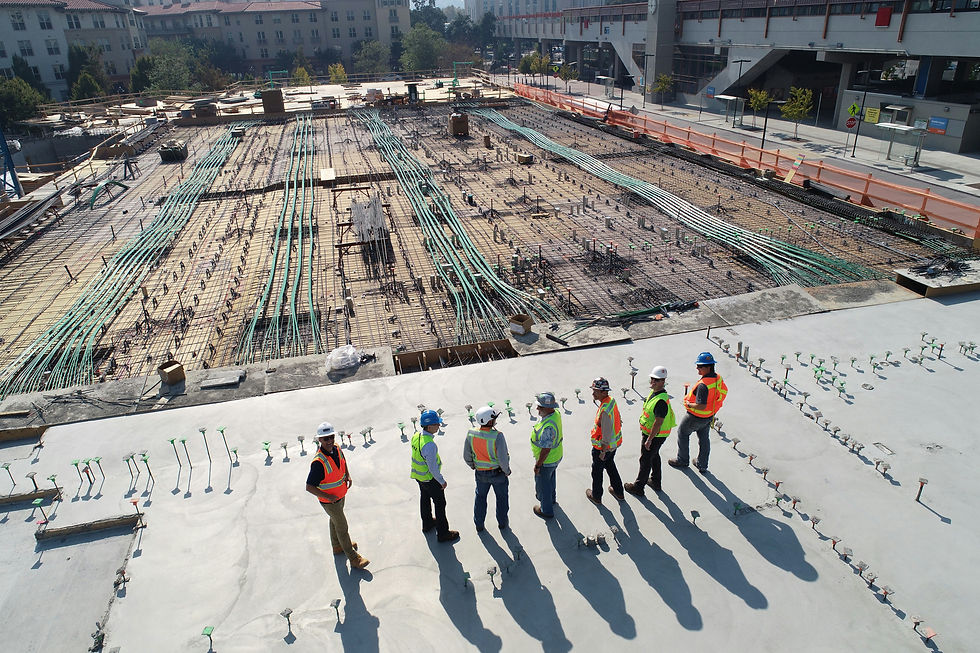
You have two sites running this summer. One in West Kelowna, one in Vernon. You cannot be at both every day. So you put your most experienced person in charge of the Vernon site — the one who knows the work, knows the crew, and has never given you a reason not to trust them.
Three months later, two of your best people have quietly taken work elsewhere. The Vernon site is behind schedule. And you are spending money you did not budget on a hiring process you did not plan for — in the middle of the busiest block of the Okanagan building season.
The promotion felt like a solution. It was also the moment a specific and predictable risk was created — quietly, without anyone naming it at the time.
The Gap Nobody Names at the Time of Promotion
The best tradesperson on your crew became your best tradesperson by being exceptional at the work. That skill set — technical precision, physical output, knowing exactly how a job should run — is not the same skill set required to manage the people doing it.
The promotion does not change what the person knows. It changes what they are now responsible for. And in most small construction operations, nobody prepares them for that gap. They manage the way they were managed. They apply pressure the way the job demands in the moment. Both of those things happen on a site the owner is not physically present on every day.
The crew feels the difference immediately. Friction that forms under untrained supervision does not surface as a complaint. It surfaces as quieter mornings, slower output, and people taking calls from competitors they would not have taken six months ago.
By the Time You See It, It Has Already Cost You
In the Okanagan trades market, a skilled framer or electrician has genuine options and can move to a competitor within the week. The window between when crew friction starts forming and when it becomes a departure is short — and it closes entirely out of view on a site you are not visiting every day.
When someone leaves, the stated reason is rarely the real one. Across Canadian workplaces, the leading driver of voluntary departure is the direct supervisor — not pay, not the work itself. In construction specifically, that supervisor is almost always someone the owner trusted, promoted, and assumed was managing well because nothing had gone visibly wrong.
What follows a departure in a small crew is not just a headcount problem. It is weeks of reduced productivity while a replacement gets up to speed, a remaining crew that has drawn its own conclusions about why someone left, and a project timeline that no longer matches what you quoted. None of that gets traced back to a promotion decision made months earlier. But the connection is there.
How Enterprise Operators Close This Gap
Large construction firms and infrastructure companies do not assume that a promotion solves a visibility problem. They track what they call Leadership Alignment Variance — the measurable gap between how ownership believes a site is being managed and how the crew on that site actually experiences it day-to-day.
They measure that gap regularly through anonymous aggregate reporting because they know it exists in every operation and that it widens silently before it becomes a retention or safety event. That infrastructure has not been available to the contractor running two crews across the Okanagan valley — until now.
The WorkSafeBC Dimension
There is a regulatory angle to this that most owners do not connect until after an incident occurs.
A crew operating under sustained friction from poorly managed supervision makes more errors, takes more shortcuts, and is significantly less likely to flag safety concerns up the chain — particularly when the person they would report to is the source of the pressure.
Under BC's occupational health and safety framework, employers have a legal duty to address conditions that create a foreseeable risk of injury. A site where crew communication has broken down, and concerns are not being surfaced, is a foreseeable risk condition — regardless of whether an incident has occurred yet. WorkSafeBC's experience rating responds to incident patterns. A site running on unresolved crew friction is producing an elevated risk that your premiums will eventually reflect.
Find Out If Your Read Is Accurate
Motionwave's Workforce Condition Check is a single-engagement visibility assessment that compares what you currently believe about a crew's condition against what that crew anonymously reports. It surfaces where those two pictures align, where they diverge, and where conditions appear steady or are starting to move.
It does not identify individuals. It does not prescribe action. It does not require ongoing commitment. It is delivered as a written brief within five business days — entirely virtually, with no site disruption and no impact on your crew's day.
If you have recently promoted someone into a leadership role and are running entirely on instinct about how that transition is going, this is the fastest way to find out if your read is accurate.
Request access at www.workforceriskintelligence.com
Motionwave Group Ltd. | Registered in British Columbia | PIPA-aligned
All signals are aggregated and anonymous. No individual is identified. Interpretation follows the Motionwave Governance Charter.

Comments